Lighting Contractor Upgrades That Boost Curb Appeal
Curb appeal is a funny thing. People talk about paint colors, porch swings, mulch depth, and whether the front door should be “navy but not nautical.” Then the sun goes down and all that careful daytime charm disappears into a shadowy blob, lit by one tired porch fixture that looks like it was installed during the fax machine era.
That is where a good lighting contractor earns their keep.
Exterior lighting is not just about making a house visible at night. Done well, it changes the way a property feels. It adds depth, polish, safety, and a certain quiet confidence. It can make a modest bungalow look tailored, a brick colonial look stately, and a modern home look less like an office park after hours. Done badly, it can make a beautiful house look like a gas station with shrubs.
The trick is knowing what to light, what to leave alone, how bright is too bright, and where the wiring should go so you are not cursing your past decisions every time a bulb fails or a landscaper slices a cable. That is why lighting upgrades belong in the hands of an experienced Electrician or Lighting contractor, not your cousin with a ladder, a coupon for solar stakes, and the phrase “How hard can it be?” rattling around in his head.
The first rule of curb appeal lighting: stop lighting everything
The most common mistake in exterior lighting is enthusiasm. A homeowner gets excited, buys a dozen fixtures, points them at every tree, wall, window, and decorative rock, then wonders why the yard looks like a miniature golf course with HOA dues.
Good outdoor lighting is selective. It guides the eye. It says, “Look at this handsome entryway,” not “Please observe every square inch of siding.” Shadows matter. Darkness gives shape to the light. Without it, the whole yard goes flat.
A lighting contractor will usually begin by looking at the house from the street, not from the porch. That sounds obvious, but it changes everything. The view from the curb is the view that matters for first impressions. It shows whether the front door gets lost, whether the walkway feels inviting, whether big trees frame the house or loom over it like they know your secrets.
A strong plan often includes layered lighting. The entry gets enough illumination to feel welcoming and safe. Path lights define movement without turning the walkway into a runway. Architectural lights pick up texture on stone, brick, columns, or gables. Landscape lights add depth farther from the house. The result feels balanced because it is not one light doing all the work. It is a cast of characters, and nobody is allowed to overact.
The porch fixture: small light, big judgment
If curb appeal had a handshake, it would be the porch light. It is one of the first details people notice, whether they realize it or not. A fixture that is too small makes the entrance look underdressed. A fixture that is too ornate for the house looks like it wandered over from a different neighborhood. A fixture that blasts bare light into visitors’ eyes says, “Welcome, please squint.”
Scale is the usual culprit. Builders often install undersized exterior lights because they look acceptable on the shelf and inexpensive on the invoice. Once mounted beside a full-sized door, they shrink visually. For many front entries, a fixture should measure roughly one-quarter to one-third the height of the door if it is a single lantern beside it. With double fixtures, each can be a bit smaller. That is a rule of thumb, not a law, but it keeps homeowners from choosing lanterns that look like keychains.
Material matters too. Coastal homes need finishes that can handle salt air. Dark bronze and black are popular because they work with many styles, but they can disappear against dark siding unless the shape has presence. Brass is back, though it has returned wearing better shoes than it did in the 1980s. A quality unlacquered or aged brass fixture can look warm and intentional, not shiny and theatrical.
Then there is the light itself. Warm color temperatures, usually around 2700K to 3000K, flatter homes the way candlelight flatters dinner guests. Cooler light can work for security zones or certain modern designs, but on most homes it feels harsh. Nobody has ever looked at a front porch glowing icy blue and thought, “Ah yes, hospitality.”
Path lighting that does not look like airport equipment
Path lights are useful, but they are also easy to overdo. The goal is to help people walk safely, not to outline the sidewalk like a crime scene diagram. Too many fixtures create clutter during the day and glare at night. Too few can leave awkward dark patches where guests are left guessing whether that is a step, a root, or a small sleeping animal.
Spacing depends on the fixture, beam spread, height, path width, and surrounding surfaces. In many residential settings, path lights land somewhere around 6 to 10 feet apart, staggered rather than lined up like soldiers. Staggering tends to look more natural and reduces the runway effect. A lighting contractor may also use nearby plantings, low walls, or step lights instead of traditional mushroom-style path fixtures, especially when the landscape already has strong structure.
Fixture height matters more than people expect. Low fixtures can be elegant, but if the planting grows over them in one season, they become expensive garden jewelry. Taller fixtures spread light better but may stand out too much during the day. In practice, the right choice depends on the yard’s maintenance habits. If the homeowner’s relationship with pruning is “seasonal guilt,” the lighting plan should account for that.
Solar path lights deserve a brief, polite discussion. Some are better than they used to be. Many still fade by midnight, lean after frost heave, and emit the emotional warmth of a vending machine. For temporary use or back corners, fine. For actual curb appeal, wired low-voltage lighting is usually the better long-term play.
Uplighting trees, walls, and architectural features
A mature tree can become the star of a front yard after dark. One or two well-placed uplights can reveal branching structure, bark texture, and canopy shape. The effect can be gorgeous, especially on oaks, maples, ornamental cherries, and multi-trunk trees. But tree lighting takes restraint. Light every tree and the yard starts charging admission.
Beam angle is the secret ingredient. A narrow beam can highlight a tall trunk or column. A wider beam washes a wall or catches the spread of a canopy. Brick, stone, and stucco all respond differently. Brick with deep texture can look rich under grazing light, where the fixture sits close and sends light up along the surface. Smooth siding usually needs softer treatment unless you want every ripple and repair to introduce itself.
For homes with columns, gables, or interesting rooflines, architectural lighting can add elegance without much visible hardware. Fixtures can be tucked into planting beds, mounted under eaves, or integrated into hardscape. The best setups make the house look naturally luminous, not “lit.” That distinction sounds fussy until you see both side by side.
One practical note from the field: landscapers and lighting systems sometimes have a tense relationship. Mulch gets refreshed, shrubs get replaced, edging tools come out, and suddenly one section of lighting is down. Good installation includes sensible cable routing, protection where needed, and a record of where major runs are buried. Future you, the one holding a dead fixture and muttering in the hydrangeas, will appreciate it.
Step lights, rail lights, and the art of not tripping beautifully
Stairs are where curb appeal meets liability. A gorgeous entrance loses some romance when guests approach it like they are crossing a creek at dusk.
Step lighting can be subtle and handsome. Fixtures mounted into risers, side walls, or nearby posts can illuminate each tread without glare. On decks and porches, rail lighting can define edges and add a soft glow. The key is shielding. You want light on the walking surface, not in someone’s pupils.
Older homes often present fun little puzzles, and by “fun” I mean “why is this stair height different from the other four?” Lighting helps compensate for irregular transitions. It cannot fix bad construction, but it can make hazards visible. If the front walk has a single surprise step, light it. Single steps are the banana peels of residential design.
A licensed Electrician can also make sure these fixtures are installed with the right weather-rated components and protected circuits. Exterior lighting lives a hard life. Rain, snow, irrigation, insects, soil movement, and temperature swings all show up for the party. Indoor-rated materials outside are not a clever savings strategy. They are a future service call wearing a bargain hat.
Driveway lighting without the dealership vibe
Driveway lighting is tricky because it needs to serve two masters. It should help drivers and pedestrians navigate, but it should not make the house look like a used car lot. The fixtures must also survive real life: delivery drivers, basketballs, snow shovels, trash bins, and that one guest who reverses with optimism instead of mirrors.
For long driveways, low bollards or discreet path fixtures can work, especially when spaced with restraint. On shorter suburban drives, lighting the garage area, entry path, and nearby landscape may provide enough visibility without lining the entire pavement. Motion-activated fixtures near the garage can be helpful, but they should be aimed carefully. Nobody wants the master bedroom flashing awake every time a raccoon conducts business near the bins.
Garage sconces are another place where scale matters. Tiny lights beside large garage doors look apologetic. Oversized fixtures can look cartoonish. A lighting contractor will consider door width, trim style, mounting height, and whether the fixtures need to provide actual task light or simply balance the facade.
For homes with side-facing garages, a softly lit driveway edge or an illuminated address marker can improve the approach. The address marker deserves more respect than it gets. If emergency services, guests, or delivery drivers cannot find the house number at night, the property has failed a very basic test. A well-lit address is not glamorous, but neither is a pizza getting delivered to the neighbors.
Smart controls that are actually smart
Smart lighting can be useful, but the word “smart” has been abused so badly it should probably be allowed to rest for a few weekends. The best controls are the ones homeowners actually use. A system that requires three apps, a firmware update, and a blood oath will not improve curb appeal. It will become a story told with clenched teeth.
For most homes, a combination of astronomical timers, dimmers, zones, and optional app control works well. Astronomical timers adjust for sunset and sunrise throughout the year, so the lights do not come on at 4:30 in July like they are expecting a Victorian carriage. Zones allow the entry lights, path lights, landscape lights, and security lights to operate differently. Dimming helps tune brightness after installation, which is important because exterior lights often look stronger once night fully settles.
Motion sensors still have a place, especially for side yards, service areas, and driveways. The mistake is using them everywhere. A front landscape that pops on only when someone walks by can feel jumpy, like the house is startled. For curb appeal, steady low-level lighting usually looks better. Save motion activation for areas where security or utility matters more than atmosphere.
Smart switches should be chosen with the existing wiring in mind. Some older switch boxes lack neutral wires, which affects compatibility. This is where a qualified Electrician saves headaches. Guessing behind a wall plate is not a hobby. It is how people discover new and exciting problems.
The warm glow of safety, which is less boring than it sounds
Safety lighting gets treated like the sensible shoes of exterior design, but it can still look good. The trick is integrating it into the overall lighting plan rather than bolting floodlights onto the corners and calling it a day.
Floodlights have their place. A backyard work zone, a side gate, or a garage apron may need broad illumination. But on the front of a home, harsh floodlighting can flatten architecture and annoy neighbors. Shielded fixtures, lower lumen output, warmer color temperatures, and careful aiming usually produce a better result.
Dark sky considerations matter too. Many municipalities and communities are paying more attention to light trespass and upward glare. Even where codes are loose, it is neighborly to keep light on your property. A fixture aimed at your maple tree should not also illuminate the second-floor bedroom across the street. If the neighbors start wearing sunglasses at breakfast, adjustments are overdue.
Security also comes from consistency. A property with deep shadows beside bright glare can be harder to visually read than one with moderate, even lighting in key areas. Cameras perform better with thoughtful illumination too. Overly bright lights can wash out faces and license plates. Balanced light gives cameras something useful to see.
Low-voltage versus line-voltage lighting
Low-voltage landscape lighting is common for good reason. It uses a transformer to step household voltage down, often to 12 volts, and it offers flexibility for paths, planting beds, trees, and accent lighting. It is generally easier to modify than line-voltage systems and can be safer around landscape areas when properly installed.
Line-voltage lighting, typically 120 volts in the United States, is used for many wall-mounted fixtures, porch lights, garage sconces, and some hardwired exterior fixtures. It requires stricter installation methods, proper boxes, conduit where needed, GFCI protection in appropriate locations, and weather-rated components. This is not the place for improvisation with leftover wire and confidence.
Here is the practical difference homeowners usually feel: low-voltage lighting gives you design flexibility in the yard, while line-voltage lighting anchors the house itself. Most curb appeal projects use both. The porch and garage fixtures may be line voltage, while the path, trees, and garden beds use low-voltage fixtures controlled by a transformer and timer.
Voltage drop can affect low-voltage systems, especially on long cable runs with multiple fixtures. If lights near the end of a run look dimmer, the layout may need adjustment, heavier gauge cable, or different wiring methods. LED fixtures have reduced some of the old load problems, but they have not repealed physics. Physics remains stubborn and poorly impressed by wishful thinking.
The LED upgrade that pays off quietly
LED exterior lighting has become the default, and for curb appeal that is mostly good news. LEDs use less energy, produce less heat, and last longer than old halogen lamps. They also allow smaller fixtures and better control. But not all LEDs are equal, and bad LED light is still bad light. It just wastes less electricity while disappointing you.
Look for fixtures or lamps with appropriate color temperature, decent color rendering, and replaceability where possible. Integrated LED fixtures can be sleek, but when the LED module fails years later, the repair may mean replacing the entire fixture. Some high-quality integrated fixtures are worth it. Cheap ones can be a gamble. Replaceable LED lamps offer flexibility, though the fixture design must manage glare and moisture properly.
Brightness is another trap. Lumens are not bragging rights. A path light that is too bright becomes a tiny interrogation lamp. A porch fixture with a clear glass shade and a high-output LED bulb can feel aggressive. Frosted glass, shielded lamps, lower wattage equivalents, and dimming can soften the effect.
A good lighting contractor often tests fixture placement and brightness before finalizing. Nighttime aiming is essential. Daytime installation only gets you so far. Light behaves differently once it hits leaves, stone, siding, glass, and wet pavement. Aiming a fixture at 2 p.m. Is like seasoning soup before adding the broth.
When lighting reveals problems you did not know you had
Exterior lighting has a mischievous side. It can make a house look better, but it can also reveal things that were politely hiding in daylight. Uneven siding, cracked masonry, peeling trim, clogged gutters, and tired landscaping may suddenly step into the spotlight.
This is not a reason to avoid lighting. It is a reason to plan honestly. If a wall has texture you love, grazing light can make it sing. If a wall has waves, patches, or old repairs, a softer wash from farther away may be kinder. If the front shrubs are overgrown, lighting them from below may create a horror film effect. Sometimes the best lighting upgrade begins with a pruning session and a trash bag.
It also pays to think about nearby systems. Exterior electrical work can overlap with irrigation, drainage, HVAC equipment, gas lines, and plumbing routes. A contractor who understands the whole home environment is valuable. On larger projects, companies that handle multiple trades, such as Service Lion Plumbing Heating Air Electric, can help coordinate work so the Electrician is not stepping on the Plumber, the Heating contractor is not surprised by a trench, and nobody discovers a buried line through interpretive sparks.
That may sound dramatic, but coordination matters. Outdoor projects often happen in layers. Maybe the homeowner is adding lighting now, planning a Heat pump installation next spring, considering Water heater installation in a new utility area, or dealing with Drain cleaning because the front yard cleanout keeps making itself known. The more everyone understands the property, the fewer “while we’re here” problems turn into “why is there a hole there?” problems.
Curb appeal for different home styles
A craftsman home usually likes warmth and texture. Lantern-style porch fixtures, low path lighting, and gentle uplighting on tapered columns or stone piers can make the architecture feel rich without getting fussy. The danger is choosing fixtures that are too ornate or too small. Craftsman details already have character. The lighting should support them, not arrive wearing a costume.
Colonial and traditional homes benefit from symmetry. Matching sconces, a centered lantern, lit walkways, and restrained tree lighting often suit the formality. But symmetry does not mean stiffness. A beautiful old tree off to one side can still be accented to balance the composition. The lighting should feel composed, not frozen.
Modern homes need clean lines and careful color temperature. Wall washers, recessed step lights, linear fixtures, and simple sconces often work well. Glare control is especially important because modern materials, glass, metal, smooth stucco, and pale concrete, can bounce light around. Too much brightness and the house starts looking like a boutique that sells chairs nobody can sit in.
Farmhouse-style homes can take larger fixtures, warm lamps, and inviting porch lighting. The challenge is avoiding cliché. Not every farmhouse exterior needs black gooseneck lights everywhere. A few strong fixtures and soft landscape accents usually beat a full barn-themed orchestra.
Ranch homes often benefit dramatically from lighting because their horizontal lines can disappear at night. Washing a brick facade, highlighting the entry, and lighting a specimen tree can add dimension. If the garage dominates the front, lighting can shift attention toward the entrance and landscaping. That is curb appeal judo: redirect the eye instead of fighting the architecture.
The upgrade sequence that usually makes sense
Homeowners sometimes want to do everything at once. That can be efficient if the budget allows and the plan is clear. But exterior lighting can also be phased successfully, especially if the first phase includes the infrastructure for later additions. A good contractor can install a transformer with room for expansion, route cable thoughtfully, and plan zones before every fixture is purchased.
A sensible sequence often looks like this:
- Start with the entry, house numbers, and primary walkway so the home feels welcoming and navigable.
- Add architectural lighting for columns, stone, brick, or gables that define the house after dark.
- Layer in landscape accents, especially mature trees or planting beds that add depth from the street.
- Address driveway, side yard, and service-area lighting where safety and security matter.
- Fine-tune controls, dimming, and timing after living with the system for a few nights.
That is one of the two times a list earns its supper, because sequencing matters. If you begin with random accent lights in the mulch but leave the front door gloomy, the project may look decorative without feeling complete. The front entrance is the face. Light the face before accessorizing the shoes.
Maintenance: the unglamorous reason good systems keep looking good
Outdoor lighting needs occasional attention. Fixtures shift. Plants grow. Lenses get dirty. Mulch buries things. Snowplows, dogs, children, and gravity all contribute their opinions. Even high-quality systems benefit from seasonal checks.
Spring is a good time to clean lenses, check for winter damage, and adjust fixtures after pruning. Late summer or early fall is ideal for aiming, since nights arrive earlier and plant growth is near its peak. If a fixture that once highlighted a lovely ornamental grass now lights the inside of a shrub like a suspicious aquarium, it needs adjustment.
LED lamps last a long time, but “long time” does not mean forever. Transformers can fail. Connections can corrode if installed poorly or submerged repeatedly. If several lights go out together, the problem may be a cable, transformer, timer, or connection rather than individual fixtures. Randomly replacing lamps until morale improves is not diagnostics.
Moisture is the enemy. Fixtures should be rated for their locations, connections should be made with outdoor-approved methods, and drainage should be considered. If a low spot in the bed holds water after every storm, that may affect fixture choice and placement. This is where other home services sometimes enter the chat. Poor grading, clogged drains, or underground leaks can create conditions that shorten lighting life. Plumbing leak repair, Rooter service, Hydrojetting, and Septic system service may sound unrelated to curb appeal lighting, but water has a way of making all trades introduce themselves eventually.
What exterior lighting should cost, without pretending every house is the same
Pricing varies widely by region, fixture quality, number of lights, site conditions, controls, trenching, and electrical access. A simple porch fixture replacement may be relatively modest if the wiring and box are in good shape. A full low-voltage landscape system with premium fixtures, transformer, controls, trenching, and nighttime aiming can run into the thousands. Large properties, masonry work, long cable runs, and complex controls increase the price.
The cheapest quote is not always the cheapest outcome. Low-quality fixtures corrode, discolor, leak, or fail early. Poor wire connections cause intermittent outages, which are the mosquito bites of electrical problems: small, maddening, and hard to ignore. Bad placement means paying twice, first to install the lights and again to move them.
That said, a good lighting contractor should not treat your budget like a personal challenge. There are smart ways to prioritize. Invest in the entry fixtures you touch and see every day. Use durable low-voltage fixtures in high-visibility areas. Phase less critical zones. Choose a transformer with expansion capacity if more lighting is likely later. Spend money where it changes the experience, not where it merely adds more stuff.
Permits, codes, and why “outdoor-rated” is not a decorative phrase
Exterior electrical work must respect code requirements. GFCI protection, wet-location ratings, proper burial depth, correct cable types, weatherproof boxes, in-use covers, bonding, conduit, and load calculations may apply depending on the installation. Local codes Air conditioning repair vary, and so do inspection requirements.
Homeowners do not need to memorize the electrical code to make good decisions. They do need to hire someone who takes it seriously. Outdoor electricity is exposed to water, soil, metal tools, pets, children, and bare feet. That is quite a guest list. A licensed Electrician brings the training and equipment to install lighting safely and troubleshoot existing issues.
Older homes may need upgrades before new exterior lighting can be added cleanly. A porch light box may be loose, a switch loop may be outdated, or an exterior receptacle may lack proper protection. Sometimes the lighting project uncovers broader electrical needs. That is not the contractor upselling doom. It may simply be the house telling the truth.
The same principle applies across home systems. You would not ask an Air conditioning contractor to ignore a failing disconnect during Air conditioning repair, or a Furnace repair service to overlook unsafe venting. A Gas installation service has to respect safety rules because gas does not care about your weekend plans. Exterior electrical work deserves the same seriousness, even when the fixtures are pretty.
The small details that make lighting look expensive
Expensive-looking lighting is not always the most expensive lighting. It is usually the most deliberate. Matching color temperatures across fixtures helps. So does consistent finish selection, though everything does not need to match like a hotel hallway. The porch lantern, garage sconces, path fixtures, and landscape accents should feel related. Cousins, not clones.
Glare control is one of the biggest giveaways. High-end lighting rarely exposes the source directly unless the fixture is designed for it. The light lands where it should. The hardware recedes. You notice the warm stone, the inviting path, the tree canopy, the front door. You do not notice a bulb shouting from the mulch.
Placement also separates amateur work from professional work. A fixture six inches too far left can miss the trunk and light the neighbor’s fence. A path light too close to the walkway can get kicked forever. A porch fixture mounted too high can make the entry feel institutional. These are not theoretical issues. They are the little annoyances homeowners live with after the installer leaves.
A contractor with experience will adjust. They will test. They will return at night or schedule the project so aiming happens after dark. They will care about the view from the curb, the porch, the driveway, and inside the house. Yes, inside. Exterior lights that shine into living room windows can make a home feel like it is being interviewed by police.
When lighting meets the rest of the mechanical world
Curb appeal projects have a habit of bumping into practical home systems. That side-yard path light may sit near the AC condenser. The new transformer may need a clean electrical location near equipment. A trench may cross a sewer lateral or irrigation line. A garage sconce replacement may reveal old wiring near the panel. Houses are ecosystems, though less adorable than the word suggests.
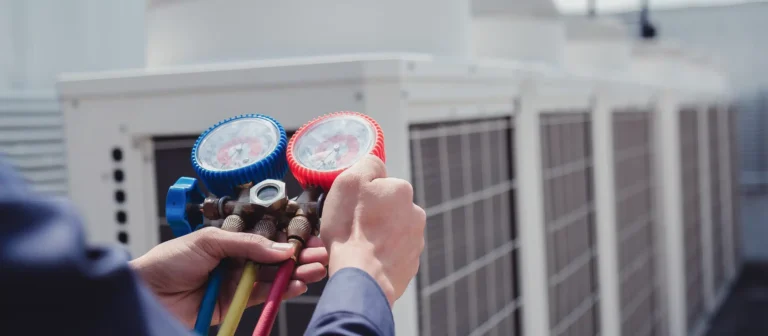
If your outdoor equipment area is already crowded, lighting can improve service access. Technicians performing Air conditioning maintenance, an Air conditioning tune-up, or Air conditioning repair service benefit from safe visibility around condensers and disconnects. The same goes for a Heating contractor working near exterior heat pump equipment after dark. A well-placed service light is not glamorous, but neither is holding a flashlight in your teeth while trying to read a data plate.
Plumbing and electrical planning can overlap too. If you are scheduling Water softener installation, Plumbing repiping, Water heater repair, or exterior Plumbing leak repair, it may be worth discussing future lighting routes before trenches are closed and walls are patched. Coordination does not mean turning a lighting job into a home renovation epic. It simply means asking the right questions while access is easy.
A practical contractor thinks this way. They are not just hanging shiny objects. They are looking at how the home works, how people move through it, how service access happens, and where future headaches might sprout.
A quick homeowner test before calling a contractor
Before getting estimates, spend two evenings looking at your house from different spots. Stand at the curb. Walk up the driveway. Approach from both directions. Sit in a car across the street if that does not alarm anyone. Notice what disappears after dark, what feels unsafe, and what already works.
Then take photos, preferably without flash, from the street and entry path. Photos flatten the scene in a useful way. They show dark gaps, glare, and imbalance. A contractor can use them during planning, especially if the first visit happens in daylight.
Here is a short checklist worth bringing to the conversation:
- Which features should be highlighted, such as the front door, stonework, trees, or columns?
- Where do people actually walk, park, carry groceries, or miss the step?
- Are there existing fixtures you love, hate, or tolerate out of habit?
- Do you want simple timers, smart controls, dimming, or separate lighting zones?
- Are any other projects planned soon, such as landscaping, paving, HVAC, plumbing, or electrical upgrades?
That list keeps the conversation grounded. It also helps prevent the classic mistake of designing for an imaginary lifestyle. If nobody uses the formal front walk because everyone enters through the side gate, light the side gate properly. The house will not report you to an etiquette committee.
The glow-up that does not shout
The best curb appeal lighting feels inevitable. Visitors may not point at the fixtures. They may not compliment the beam spread or ask about transformer capacity, unless they are deeply fun at parties. They will simply feel that the house looks cared for, easy to approach, and more beautiful than it did before.
That is the real value of hiring a capable Lighting contractor. They bring restraint, technical skill, and the ability to see the house as a composition rather than a collection of dark spots waiting to be attacked. They know when to use a soft wash instead of an uplight, when to dim a fixture, when to move a path light two feet, and when to say, kindly, that twelve lanterns on one porch might be a cry for help.
Curb appeal does not end at sunset. In many ways, sunset is when the house gets its second chance to make an impression. With the right lighting upgrades, it can do more than look visible. It can look welcoming, polished, safe, and just a bit smug in the best possible way.
Name: Service Lion Plumbing Heating Air Electric
Address: 521 W Briardale Ave, Orange, CA 92865, United States
Phone: (657) 337-3622
Website: https://callservicelion.com/
Email: [email protected]
Hours:
Monday: Open 24 hours
Tuesday: Open 24 hours
Wednesday: Open 24 hours
Thursday: Open 24 hours
Friday: Open 24 hours
Saturday: Open 24 hours
Sunday: Open 24 hours
Open-location code: R48R+WV Orange, California, USA
Map/listing URL:
https://www.google.com/maps/search/?api=1&query=Google&query_place_id=ChIJQU4LBWHV3IARtnABtyykSA4
Google Map:
Socials:
https://www.facebook.com/ServiceLionCA/
https://www.youtube.com/channel/UCR_L35QzsRTxYZtX8PxJvPw
Local Service Information
Service Lion Plumbing Heating Air Electric provides plumbing, drain, heating, air conditioning, and electrical services from its Orange, California location.The company serves homeowners and properties throughout Orange and communities across Orange County and surrounding areas.
Available services include plumbing repairs, water heater work, drain and sewer services, heating and cooling service, electrical repairs, panels, lighting, outlets, and related home-system work.
Service is available for residential properties as well as light commercial needs described within the company's local service-area information.
The company's website emphasizes locally operated service, coordinated home-system support, and practical scheduling for plumbing, HVAC, and electrical needs.
The matching public business listing shows the Orange location as open 24 hours a day, seven days a week.
For service information or scheduling, call (657) 337-3622 or visit https://callservicelion.com/.
The public map listing identifies the business at 521 W Briardale Ave, Orange, CA 92865 and can be used for location and direction information.
Popular Questions About Service Lion Plumbing Heating Air Electric
What services does Service Lion Plumbing Heating Air Electric provide?
The company provides plumbing, drain and sewer, heating, air conditioning, and electrical services. Its published services include plumbing repair, water heaters, drain clearing, sewer work, HVAC repair and installation, electrical repairs, panels, circuit breakers, lighting, outlets, and related services.
Where is Service Lion Plumbing Heating Air Electric located?
The matching business location is 521 W Briardale Ave, Orange, CA 92865, United States.
What areas does Service Lion Plumbing Heating Air Electric serve?
The company serves Orange County and surrounding communities. Its published service-area information includes Orange, Anaheim, Brea, Yorba Linda, Fullerton, Huntington Beach, Newport Beach, Costa Mesa, Irvine, Lake Forest, and additional nearby cities.
Is Service Lion Plumbing Heating Air Electric open 24 hours?
The matching public business listing shows the location as open 24 hours on Monday through Sunday.
Does Service Lion Plumbing Heating Air Electric work on drains and sewer lines?
Yes. Published services include drain clearing, rooter service, camera inspection, hydro jetting, sewer line repair and installation, water line work, slab leak detection, and trenchless sewer line repair.
Does Service Lion Plumbing Heating Air Electric provide heating and air conditioning service?
Yes. Its published HVAC services include air conditioning repair and installation, heating service, furnace work, heat pumps, air ducts, indoor air quality assessments, and thermostat installation.
Does Service Lion Plumbing Heating Air Electric provide electrical service?
Yes. Published electrical services include repairs and installations, electrical panels, circuit breakers, safety inspections, lighting, outlets and switches, surge protection, generators, and EV charging equipment installation.
How can I contact Service Lion Plumbing Heating Air Electric?
Call (657) 337-3622.
Email: [email protected]
Website: https://callservicelion.com/
Facebook: https://www.facebook.com/ServiceLionCA/
Landmarks Near Orange, California
Old Towne Orange Historic District
A central historic district and useful geographic reference point for the Orange community.
Plaza Park
A well-known public gathering point in the center of Old Towne Orange.
Orange Public Library & History Center
A civic landmark serving residents near central Orange.
Hart Park
A major public park and recreation area south of central Orange.
Eisenhower Park
A public park serving neighborhoods in northern Orange.
Santiago Oaks Regional Park
A regional recreation and open-space landmark on the eastern side of Orange.
Irvine Regional Park
A large regional park and recognizable reference point east of the city.
Orange Park Acres
A distinctive residential community and service-area reference point in eastern Orange.
El Modena
An established Orange neighborhood that provides a practical local coverage reference.
Glassell Street
One of the city's principal north-south streets and a useful route through central Orange.
Lincoln Avenue
A major east-west roadway serving northern Orange and nearby communities.
State Route 55
A primary regional freeway connecting Orange with other parts of Orange County.